
Mobile App Development Cost in UAE and Saudi Arabia 2027: Dubai and Riyadh Pricing Guide
What does it cost to build a mobile app in Dubai or Riyadh in 2027? See clear AED, SAR and USD prices by tier and app type, developer hourly rates, Arabic and payment costs, e-invoicing deadlines and a full first-year budget example.

Chitranshu
PRINCIPAL ARCHITECT9 MIN READ

In 2027, mobile app development in Dubai and the UAE costs about AED 18K to 58K ( USD $4.9K to $15.8K) for a simple MVP, AED 35K to 94K ($9.5K to $25.7K) for a mid-level app, AED 94K to 190K ($25.7K to $51.8K) for a complex app, and AED 190K ($51.8K) and up for enterprise platforms. Saudi Arabia is similar in SAR (about SAR 18K to 648K+ across the same tiers), with local agency quotes often 5 to 10% lower than Dubai. Arabic RTL, local payments, UAE Pass or Nafath and e-invoicing are the main Gulf-specific extras.
How much does it cost to build an app in Dubai and Saudi Arabia in 2027?
These revised planning ranges are benchmarked against published 2026 guides from TekRevol, Netguru, Riseup Labs, DXB Apps, JPLoft and Apptunix, and reflect a lean, cross-platform delivery model with lower-cost offshore or hybrid execution. They include design, iOS and Android apps, backend, admin panel, testing and launch.
App tier | USD | UAE (AED) | Saudi Arabia (SAR) | Timeline |
|---|---|---|---|---|
Simple / MVP | $4.9K to $15.8K | AED 18K to 58K | SAR 18K to 59K | 6 to 10 weeks |
Mid-level | $9.5K to $25.7K | AED 35K to 94K | SAR 36K to 96K | 2 to 3 months |
Complex | $25.7K to $51.8K | AED 94K to 190K | SAR 96K to 194K | 2.5 to 4 months |
Enterprise / super app | $51.8K to $173K+ | AED 190K to 635K+ | SAR 194K to 648K+ | 3 to 7 months |
Annual maintenance typically adds 15 to 25% of the build cost. Prices exclude VAT: 5% in the UAE and 15% in Saudi Arabia.
App development cost by app type
App type | Typical 2027 range (USD) | Gulf-specific notes |
|---|---|---|
Business, booking or loyalty app | $2.9K to $13.1K | Arabic and English, Apple Pay, WhatsApp notifications |
E-commerce app | $8.6K to $34.7K | mada, Tabby, Tamara, COD; ZATCA or UAE e-invoicing for larger sellers |
Food or grocery delivery (customer, driver, store apps) | $12.6K to $43.2K | Live tracking, slot booking, Ramadan peak load |
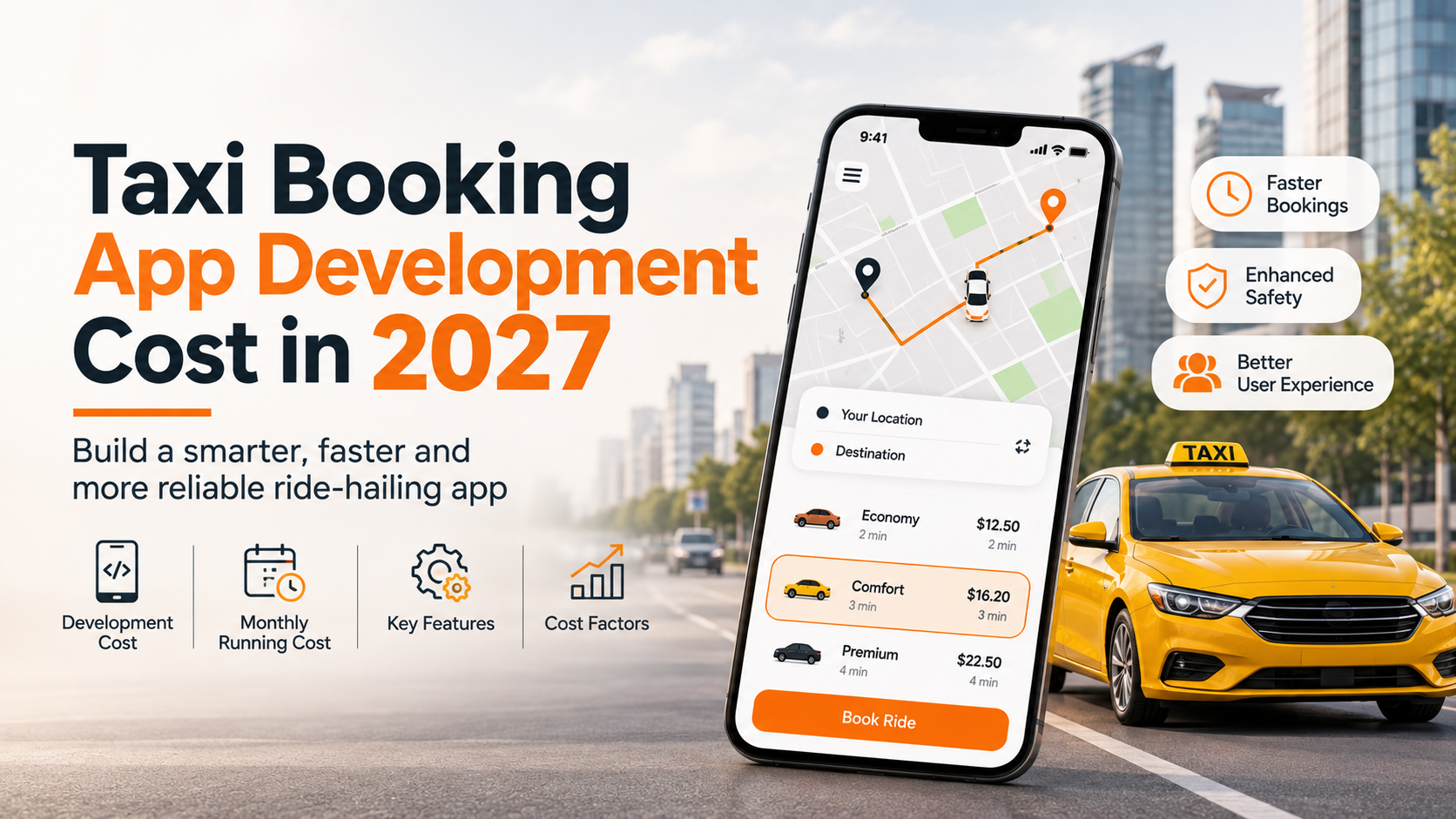
Taxi or ride-hailing | $12.6K to $51.8K | Saudi TGA licensing, cash and card wallets |
Real estate portal | $8.6K to $51.8K | Dubai DLD and Saudi REGA ad licence fields |
Healthcare or telemedicine | $13.1K to $51.8K+ | DHA, DoH and MOH rules, in-country hosting |
Fintech, e-wallet or BNPL | $25.7K to $103.5K+ | CBUAE or SAMA licensing, Nafath or UAE Pass KYC |
AI features added to any app (chat, search, recommendations) | +$4.3K to $17.1K | Arabic dialect handling, data residency |
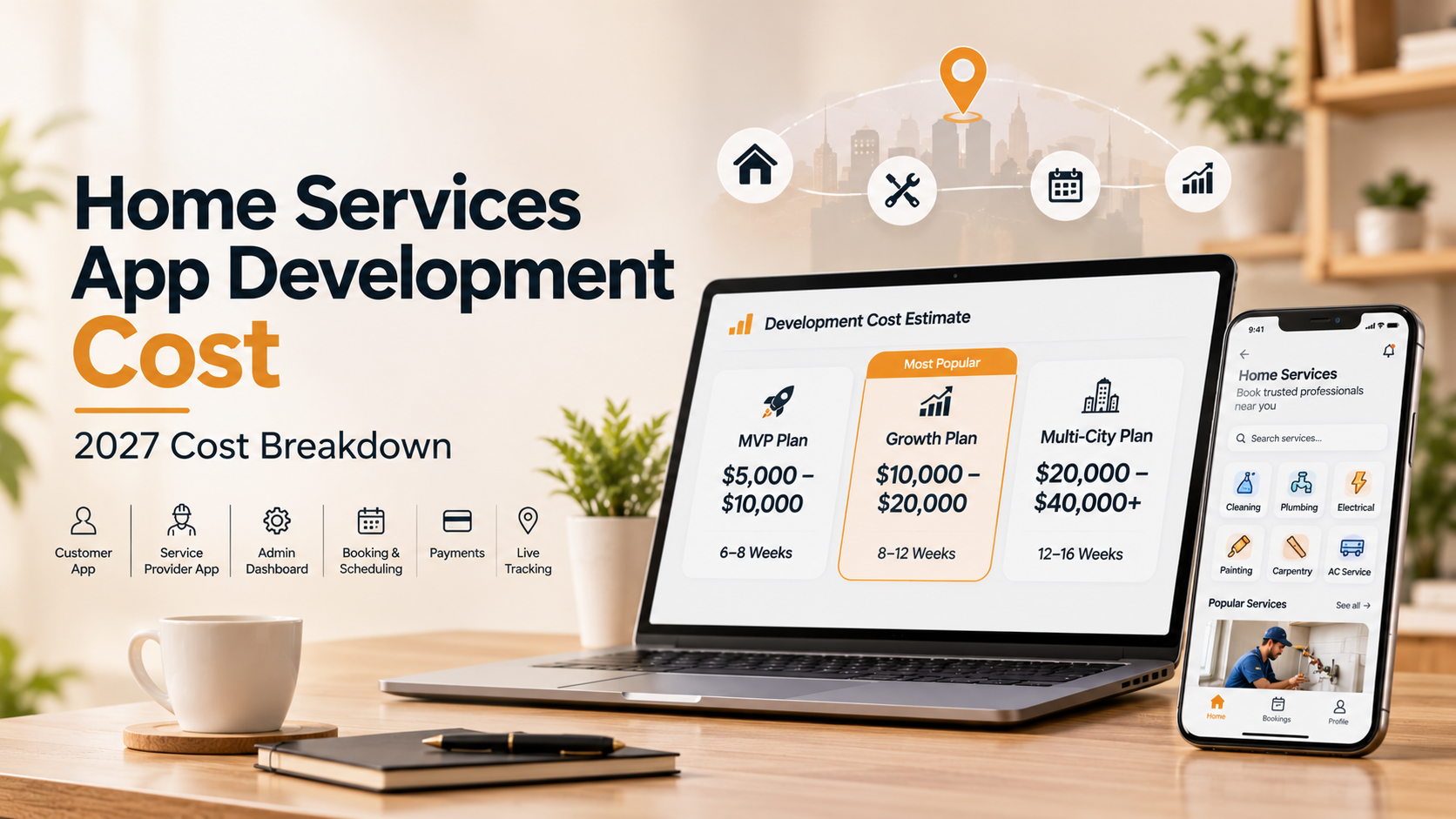
For deeper breakdowns, see our guides to grocery delivery app cost and real estate app cost.
How much do app developers charge per hour in Dubai and Riyadh?
Team type | Hourly rate | USD equivalent |
|---|---|---|
Dubai agency (senior) | AED 180 to 550 | $49 to $150 |
Riyadh or Jeddah agency | SAR 180 to 450 | $48 to $120 |
UAE freelancer | AED 70 to 250 | $19 to $68 |
Saudi freelancer | SAR 90 to 250 | $24 to $67 |
Eastern Europe agency | About $35 to $70 | $35 to $70 |
India or South Asia agency | About $20 to $40 | $20 to $40 |
In-house salaries for app developers run about AED 18K to 36K per month in the UAE and SAR 15K to 30K per month in Saudi Arabia, before visas, housing allowances and end-of-service benefits. Levels.fyi puts the median Saudi software engineer's total pay at about SAR 180K a year.
Is it cheaper to build an app in Saudi Arabia than in the UAE?
Slightly. Local agency rates in Riyadh are usually 5 to 10% below Dubai, and Apptunix's hiring comparison ranks the UAE as the most expensive of the UAE, Saudi Arabia and Kuwait. But Saudi projects often carry extra scope: stricter data residency, ZATCA e-invoicing integration, Nafath identity checks and, for larger teams, Saudization (Nitaqat) quotas when hiring locally. In practice, the total budget for the same app ends up close in both markets. The bigger saving comes from the delivery model, not the city.
What makes Gulf apps cost more? Region-specific cost drivers
Cost driver | Typical added cost (USD) | Why it matters |
|---|---|---|
Arabic RTL and bilingual UI | About 10 to 20% of design and front-end effort | Mirrored layouts, Arabic fonts, numerals, Hijri dates, bilingual content in the CMS |
Local payment gateway (Telr, PayTabs, HyperPay, Moyasar, Checkout, Network International) | $0.9K to $2.2K per gateway | mada is essential in Saudi Arabia; Apple Pay is expected in both markets |
Buy now, pay later (Tabby, Tamara) | $0.9K to $1.7K each | Raises basket size in retail and services |
UAE Pass or Nafath digital identity | $1.3K to $4.3K | Trusted login and KYC; UAE Pass has 12M+ registered users |
E-invoicing (ZATCA Fatoora, UAE accredited service provider) | $2.2K to $6.5K | Mandatory for in-scope businesses from 2027 |
In-country hosting and security hardening | $0.9K to $4.3K setup | Government, health and finance data often must stay local |
Prayer times, Ramadan modes, women-only options | $0.5K to $2.2K | Expected by users in many consumer categories |
Published Gulf guides call Arabic localisation a major driver but none quote a percentage; the 10 to 20% figure reflects typical effort when RTL is planned from day one. Retrofitting Arabic after launch can cost far more.
Payment gateway fees in the UAE and Saudi Arabia
Gateway / method | Published fee |
|---|---|
Telr (UAE) | 2.25% to 2.45% + AED 0.50 to 1 per transaction; plans AED 0 to 249 per month |
Telr (Saudi Arabia) | 2.60% to 3% + SAR 1; STC Pay 0.90% |
PayTabs (Saudi Arabia) | mada 1%; cards 2.25% + SAR 1; SAR 49 per month |
mada online (SAMA rules) | Interchange capped at 0.70%; merchant charge capped at 1.75% |
Tabby, Tamara, Network International, HyperPay, Moyasar | Quote-based; ask for a rate card at onboarding |
Fees change often, so confirm current rates before you model unit economics.
Compliance deadlines that affect 2027 app budgets
Rule | Country | What it means for your app |
|---|---|---|
UAE e-invoicing, Phase 1 | UAE | Businesses with revenue of AED 50M+ go live January 1, 2027; smaller businesses July 1, 2027. Invoices must be structured data sent through an accredited provider. |
ZATCA e-invoicing Wave 25 | Saudi Arabia | Taxpayers with VAT-able revenue above SAR 187,500 must integrate with Fatoora by February 1, 2027. |
Saudi PDPL | Saudi Arabia | Fully enforceable. SDAIA's draft amendments (consulted October to November 2026) propose in-Kingdom storage, 72-hour breach notice and Arabic privacy policies. |
UAE PDPL | UAE | Executive regulations still pending; a new Federal Authority for AI and Data was announced in June 2026. Build consent and deletion features now. |
NCA Essential Cybersecurity Controls | Saudi Arabia | Applies to government and critical infrastructure work; government data must be hosted in the Kingdom. |
CST digital content platform rules | Saudi Arabia | Streaming, gaming, social and ad platforms need a licence, registration or notification. |
General information only, not legal or tax advice.
Native, Flutter or React Native: how the choice changes cost
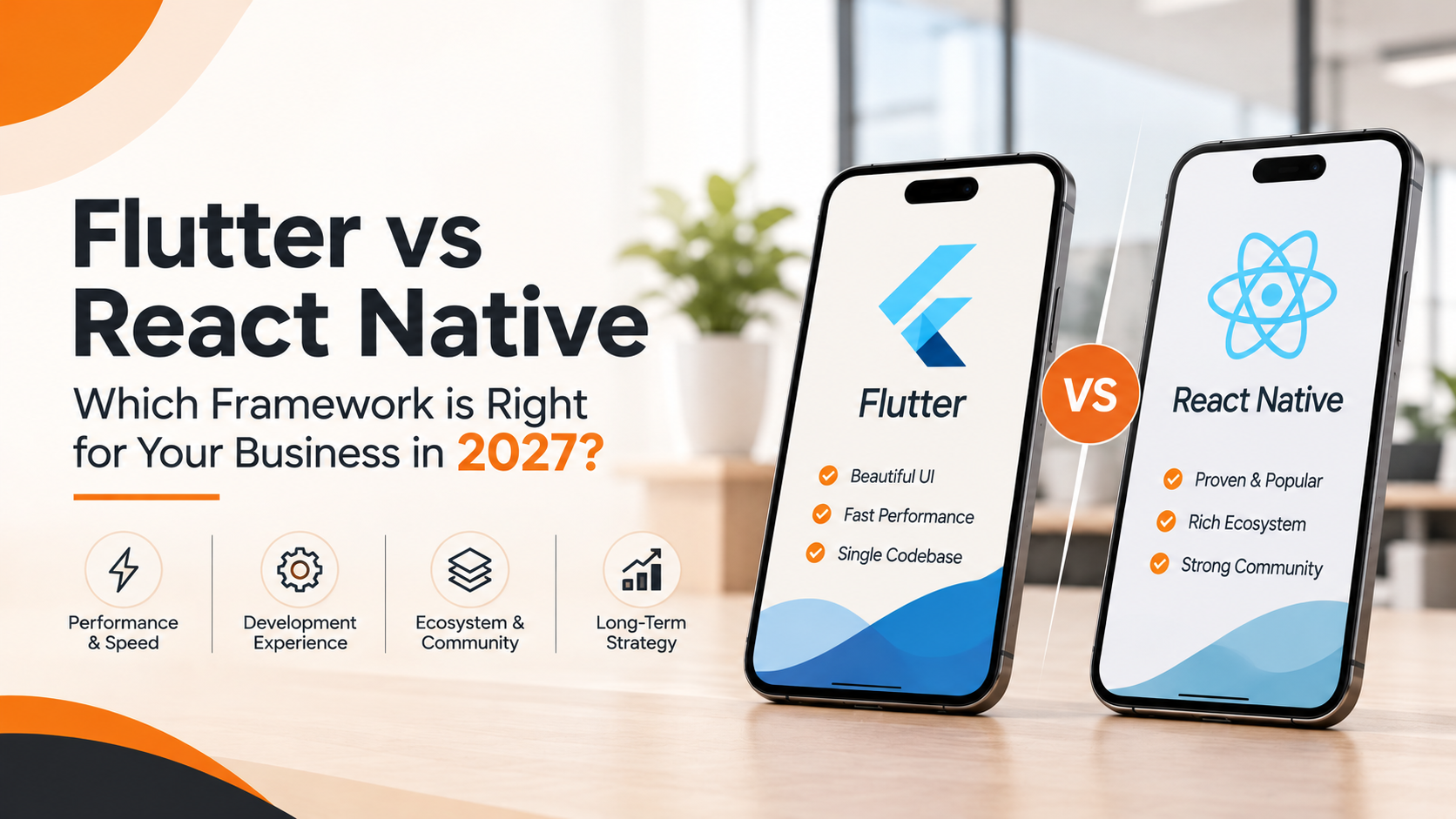
Cross-platform frameworks build one codebase for iOS and Android and typically cut build cost by 30 to 40% compared with two native apps. Both Flutter and React Native handle Arabic RTL well when it is planned early. Native still wins for heavy hardware use, advanced AR or apps that need the very latest platform features on day one. Our Flutter vs React Native 2027 comparison explains which to pick.
Hidden and ongoing costs to budget for
App store fees: Apple Developer Program $99 per year; Google Play $25 once. Store commissions are 15% for small businesses (first $1M) and most subscriptions, otherwise 30% on digital goods.
Hosting and cloud: about $150 to $800 per month for small and mid-size apps; more with in-country hosting or heavy media.
Third-party services: maps, SMS OTP, WhatsApp messaging, push notifications and analytics.
Maintenance: 15 to 25% of build cost per year for OS updates, security patches and small features.
VAT: 5% in the UAE, 15% in Saudi Arabia, on agency invoices.
Local agency, offshore or hybrid team?
A local Dubai or Riyadh agency gives easy face-to-face meetings and local market knowledge at the highest hourly rates. A fully offshore team costs least but can struggle with Arabic UX, Gulf payment integrations and time zones. The hybrid model, with a Gulf-facing product lead and an experienced offshore engineering team, is the most common choice for startups and SMEs because it combines local context with rates around $20 to $50 per hour. If you hire locally in Saudi Arabia, check Nitaqat quotas: new engineering quotas started June 30, 2026, and project management quotas start February 14, 2027.
Example: first-year budget for a mid-level bilingual e-commerce app
Item | USD |
|---|---|
Cross-platform app, backend and admin panel (Arabic and English) | $17,100 |
Payment gateway with mada and Apple Pay, plus one BNPL provider | $1,700 |
UAE Pass or Nafath login | $1,300 |
E-invoicing integration | $2,200 |
Security testing and launch QA | $900 |
Hosting, 12 months (about $300 per month) | $3,600 |
Post-launch support, 6 months | $1,700 |
App store accounts | $124 |
Total first year (before VAT) | About $28,600 (AED 105K / SAR 107K) |
How to reduce app development cost without cutting quality
Launch an MVP with the 3 to 5 features that prove demand, then add the rest.
Use a cross-platform framework unless you have a clear native need.
Design Arabic and English together from the first wireframe.
Use proven services (payments, maps, auth) instead of building them.
Choose a hybrid team with Gulf experience and fixed-scope milestones.
Plan e-invoicing and data residency early so you do not rebuild later.
Get a fixed, transparent quote for your Gulf app
iSkylar builds bilingual Arabic and English apps for businesses in the UAE, Saudi Arabia and worldwide, with local payments, UAE Pass, Nafath and e-invoicing built in. Share your idea and get a clear scope, timeline and budget. Explore our mobile app development services or Flutter app development to start.

WRITTEN BY
Chitranshu
Chitranshu writes about AI, mobile and custom software at iSkylar, covering costs, architecture and delivery for businesses in the USA, UK, UAE, Saudi Arabia, Canada and Australia.
Frequently Asked Questions
How much does it cost to make an app in Dubai in 2027?
How much does mobile app development cost in Saudi Arabia?
How much do app developers charge per hour in the UAE?
How long does it take to build an app in the UAE or Saudi Arabia?
Does an Arabic app cost more?
Is it cheaper to build an app in Saudi Arabia than in Dubai?
Do apps in Saudi Arabia need local data hosting?
What are the ongoing costs after launching an app?
Further Reading



Stay at the forefront of innovation.
innovation.
Join our inner circle of industry leaders and get exclusive insights delivered to your inbox every Thursday morning.
WE RESPECT YOUR PRIVACY. NO SPAM, EVER.
Updated At: